
All recipes
Therapeutic
Renal / Kidney Low Fat
A kidney-friendly meal for dogs that also need a low-fat diet — for example, dogs managing both kidney disease and pancreatitis, hyperlipidemia, or fat sensitivity. Lean chicken breast and egg white provide gentle, high-quality protein, white rice keeps things easy to digest, and fish oil supports kidney function. Calgae is the only calcium source you should use here — bone meal would push phosphorus too high.
For a 11 lb normal pet dog · daily · ~327 kcal/day
Daily ingredients
Quantities scaled for 11 lb (5 kg).
- 84gskinless chicken breast (raw weight) · ~3 oz
- 42gglutinous white rice, measured dry then cooked · ~1.5 oz
- 28gegg white (raw, ~1 large egg's worth) · ~0.99 oz
- 28gsweet potato (raw weight) · ~0.99 oz
- 28ggreen peas, boiled and drained (raw weight) · ~0.99 oz
- ½tspfish oil (menhaden or similar)(rounded up to nearest ⅛)
- ½tspsunflower oil (high-linoleic, ~65%)(rounded up to nearest ⅛)
- ¼scoopiViBlend(rounded up to nearest ⅛)
- ½tspCalgae (do NOT substitute bone meal)(rounded up to nearest ⅛)
Notes & guidance
- · Provides ~31% of energy from protein, ~19% from fat, and ~50% from carbohydrate.
- · Phosphorus restriction is the single most important modifiable nutrient in CKD — slows secondary renal hyperparathyroidism and reduces proteinuria.
- · High-biological-value protein (chicken breast, egg white) minimizes phosphorus load relative to red meats.
- · High EPA/DHA reduce glomerular pressure and proteinuria.
- · Low fat is appropriate for concurrent pancreatitis, hyperlipidemia, and miniature-schnauzer-type lipid disorders.
- · Calgae is the only calcium source to use — bone meal would elevate phosphorus.
Feeding instructions
- 1Cook the chicken thoroughly — bake or poach until no pink remains. Drain any excess fat.
- 2Cook the rice and sweet potato until soft. Lightly cook the egg white. Boil and drain the peas.
- 3Mix the daily portion together with the supplements in one batch, then divide across two meals.
- 4Add iViBlend and Calgae after cooling — do not heat the supplements.
- 5Refrigerate up to 3 days, or portion and freeze for up to 2 months.
- 6Recheck BUN, creatinine, phosphorus, and SDMA every 4–8 weeks. Target serum phosphorus <4.5 mg/dL (IRIS 2), <5.0 (IRIS 3), <6.0 (IRIS 4).
- 7Watch for hypoalbuminemia or progressive muscle wasting — protein is moderate, not heavily restricted.
- 8Encourage free access to fresh water to support hydration in polyuric CKD patients.
Important — please read
This recipe is intended for dogs with chronic kidney disease (typically IRIS Stage 2–3) and concurrent fat intolerance, only under the direction of a veterinarian. Please consult a veterinarian or veterinary nutritionist on whether this diet is appropriate for your dog before feeding.
More recipes
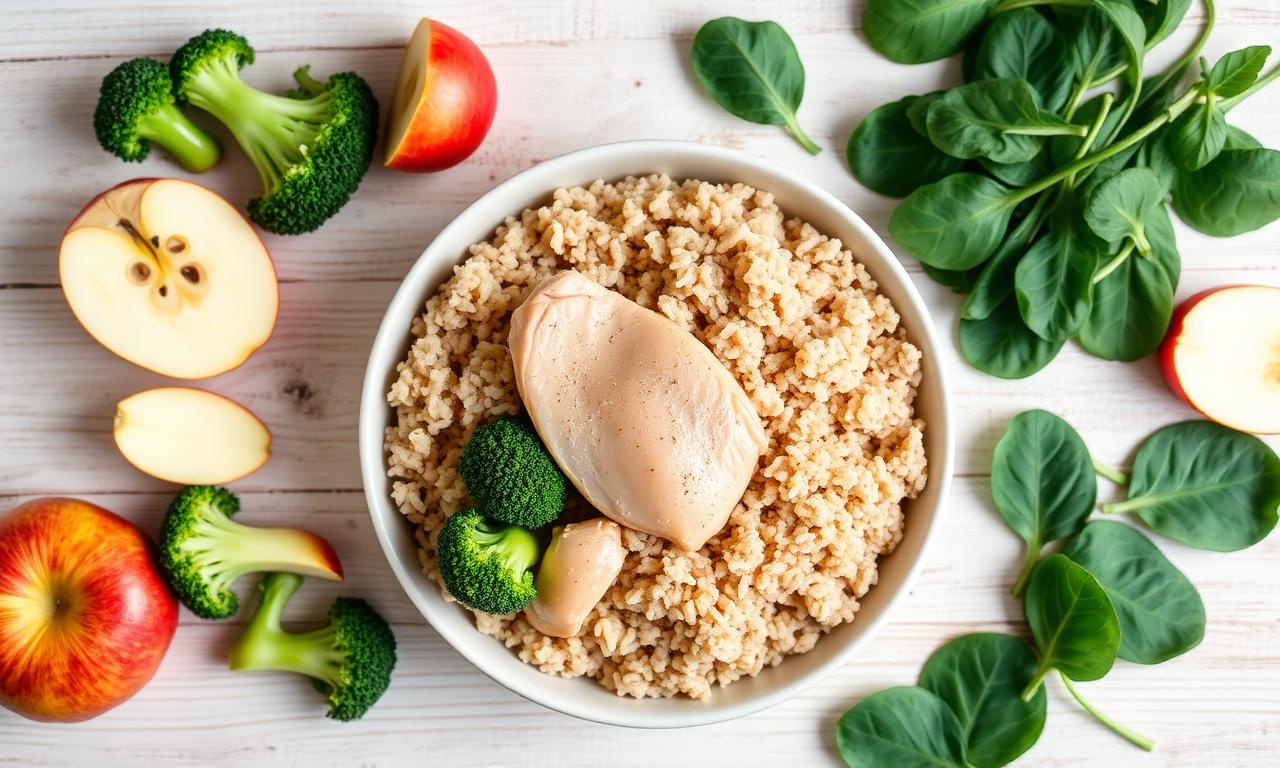
Maintenance
Healthy Adult Dog
An everyday balanced meal for healthy adult dogs — complete nutrition with room to rotate proteins, grains, and vegetables to keep mealtime interesting.
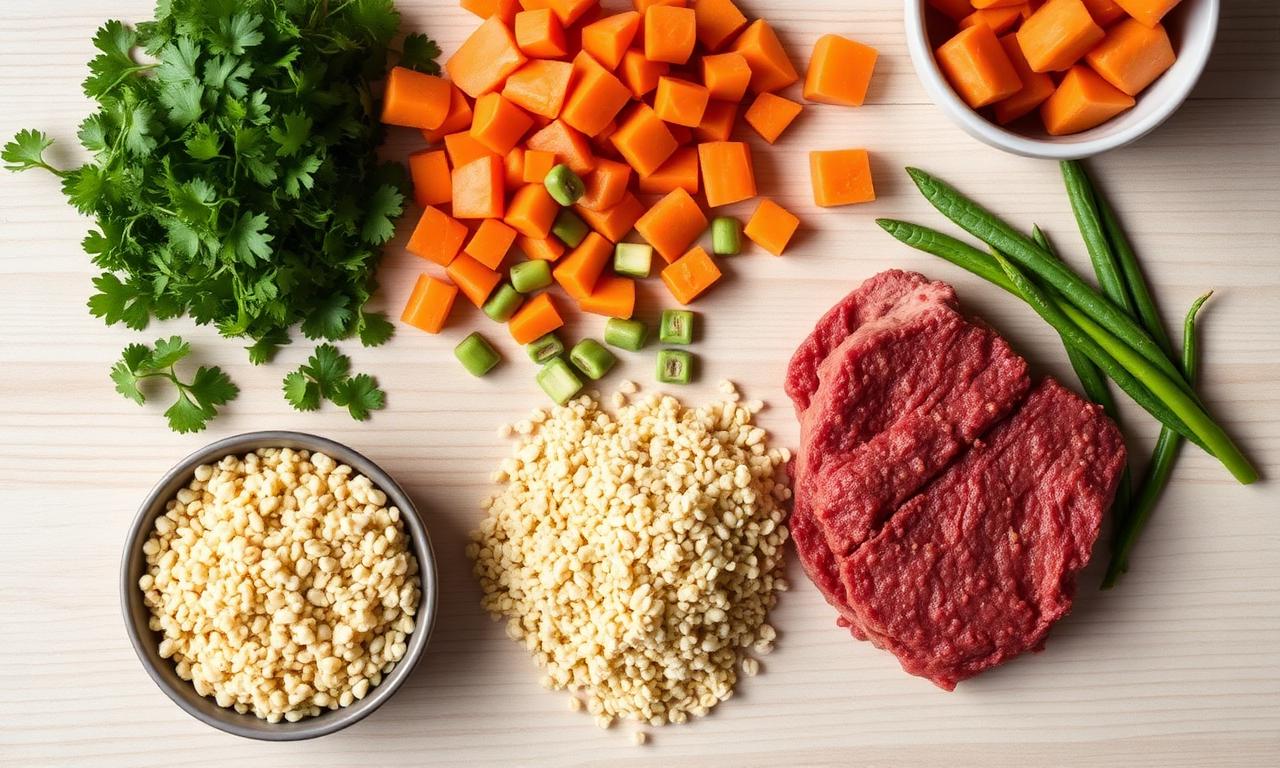
Growth
Healthy Puppy
A complete meal for growing puppies from 8 weeks to 9 months (12 months for giant breeds). Follow ingredients closely.
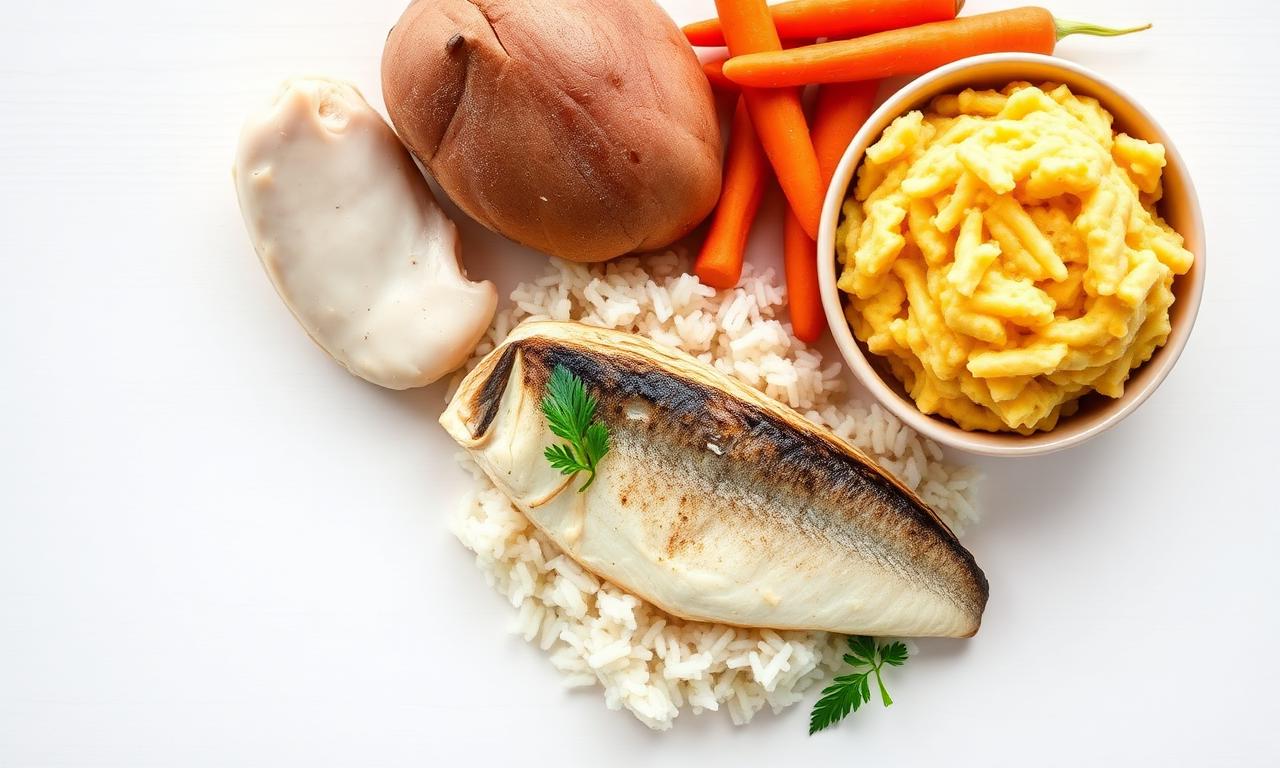
Therapeutic
Pancreatitis & Low-Fat GI
A gentle, low-fat meal for dogs with chronic pancreatitis or trouble digesting fat. Use only with veterinary guidance.