Cancer Support
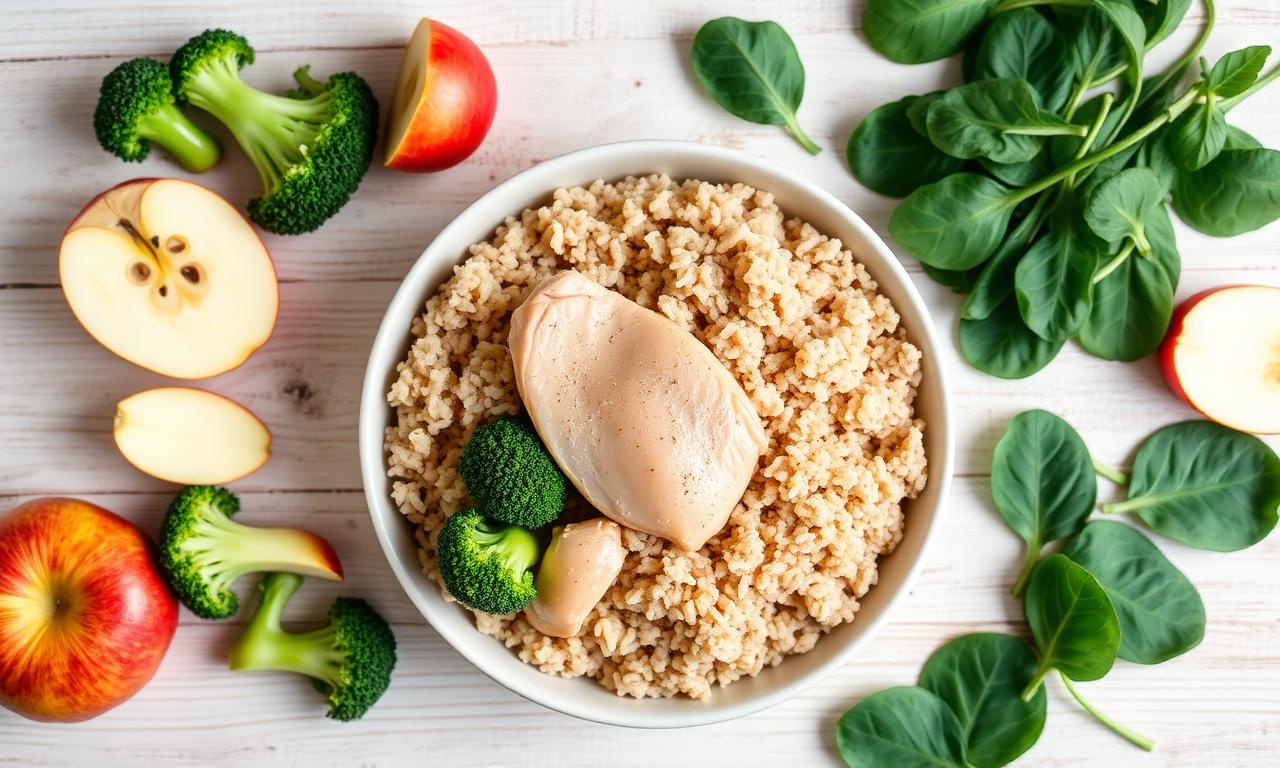
Designed to provide highly digestible energy and nutrients to support dogs during cancer treatment — to maintain interest in eating, support recovery, and assist overall treatment. Higher protein helps preserve muscle mass and gut health, elevated fat improves palatability and helps maintain body condition, and lower carbohydrate may benefit some tumor types. Two versions are provided: start with the moderate-fat recipe if your dog hasn't been on a fresh diet before, then move to the higher-fat / lower-carb version if tolerated. Carbohydrate restriction isn't appropriate for every tumor — discuss with your veterinarian or oncologist.
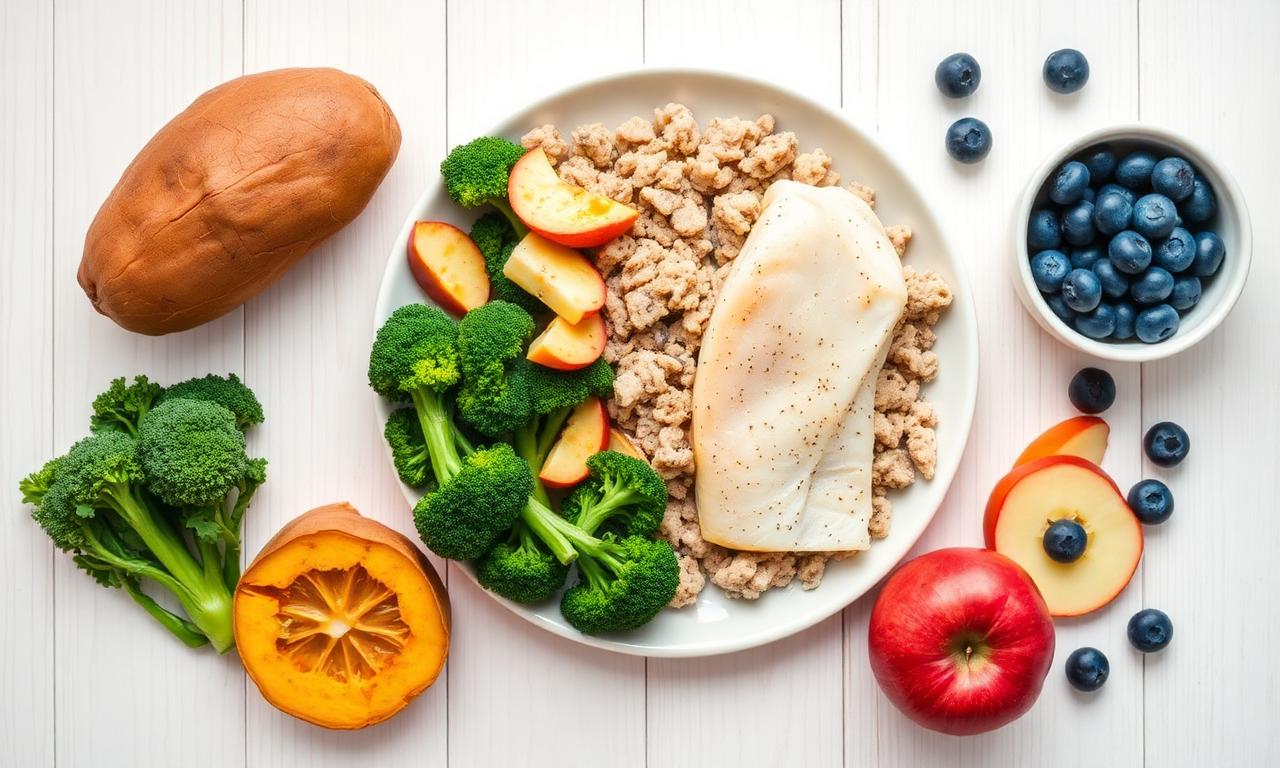
Quantities scaled for 11 lb (5 kg) · 1-day batch
High Protein, Moderate Fat, Low Carbohydrate
Best starting point if your dog hasn't been fed a fresh diet before. Approximately 91 g protein / 48 g fat / 52 g carb per 1000 kcal.
Daily ingredients
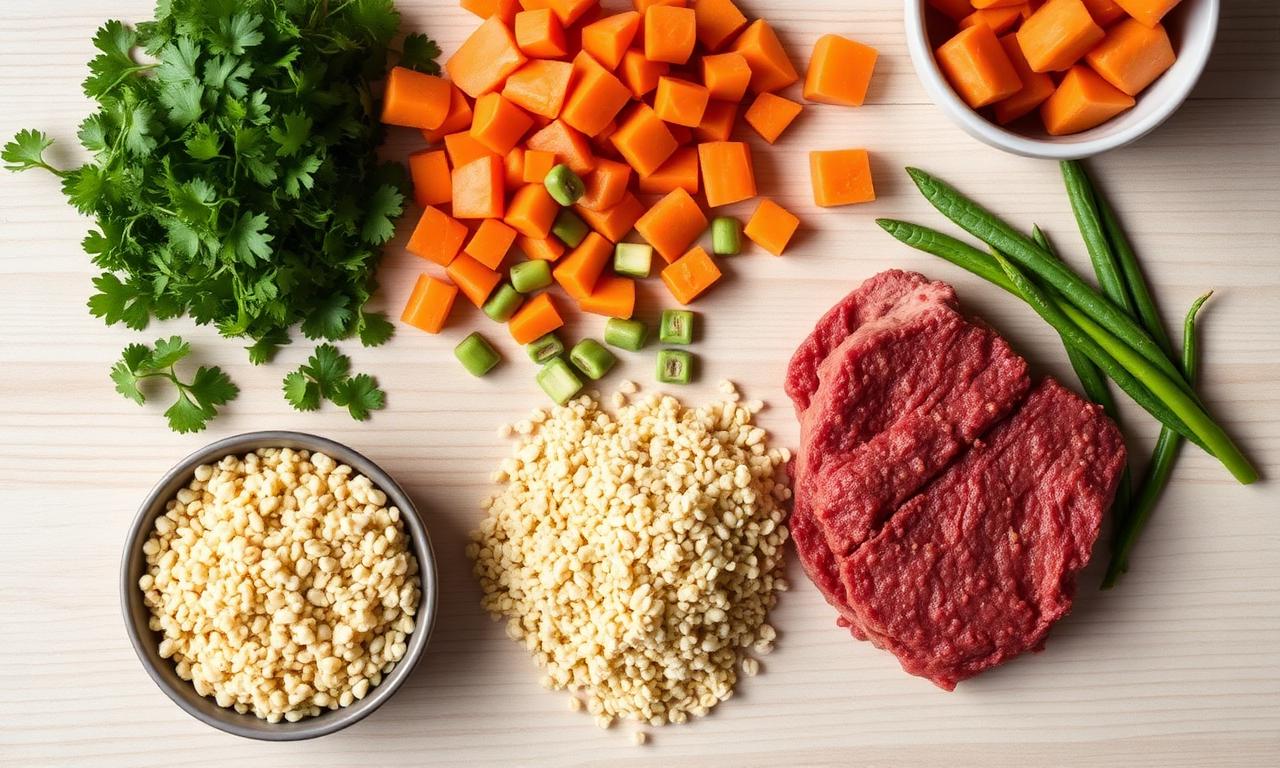
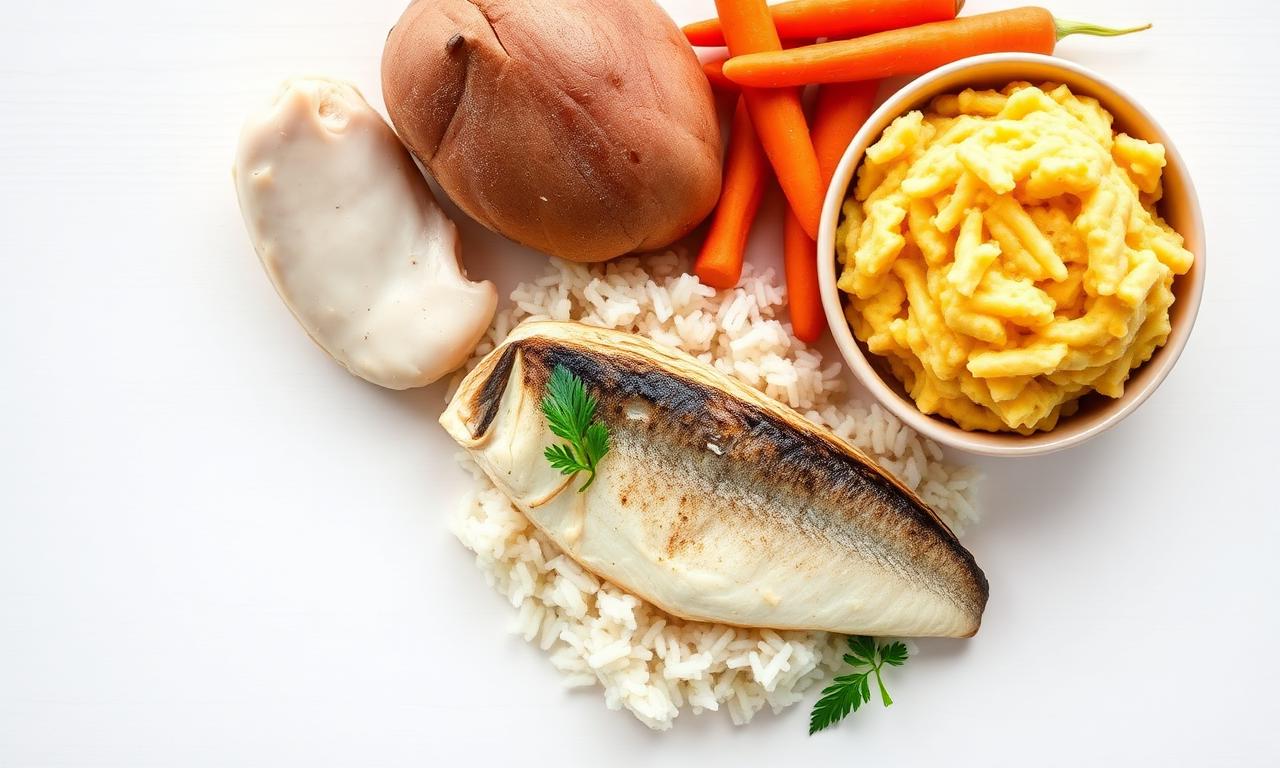
- 149gground turkey, chicken, or beef (7% fat) — OR boneless turkey/chicken thighs with skin — OR whitefish (cod, tilapia). Raw weight before cooking. Combine multiple proteins if you like. · ~0.33 lb
- 74gpotato or sweet potato (raw weight) — OR 0.08 cup brown or white rice(measured dry) · ~0.16 lb
- 0.16cupvegetables — bell pepper, broccoli, cauliflower, green beans, carrots, peas, kale, spinach, or pumpkin (cooked)
- 0.08cupfruit — blueberries, papaya, mango, pineapple, banana, or pear (no need to cook)
- ⅜tspsafflower or sunflower oil(rounded up to nearest ⅛)
- ⅜tspfish or krill oil (added after cooking)(rounded up to nearest ⅛)
- ¼scoopiViBlend(rounded up to nearest ⅛)
- ½tspCalgae(rounded up to nearest ⅛)
- · ~91 g protein / 48 g fat / 52 g carb per 1000 kcal.
- · Best for dogs new to a fresh diet, or that don't tolerate higher fat.
- · Rice is measured dry; everything else is raw weight before cooking unless noted.
High Protein, High Fat, Lower Carbohydrate
For dogs tolerating fat well. Approximately 83 g protein / 67 g fat / 12 g carb per 1000 kcal using 20%-fat ground beef or salmon.
Daily ingredients
- 149gground beef (20% fat) or salmon fillet. Raw weight before cooking. · ~0.33 lb
- 0.16cupvegetables — bell pepper, broccoli, cauliflower, green beans, carrots, peas, kale, spinach, or pumpkin (cooked)
- 0.08cupfruit — blueberries, papaya, mango, pineapple, banana, or pear (no need to cook)
- ⅜tspcoconut oil(rounded up to nearest ⅛)
- ¼tspsafflower or sunflower oil(rounded up to nearest ⅛)
- ⅜tspfish or krill oil (omit if using salmon as the protein)(rounded up to nearest ⅛)
- ¼scoopiViBlend(rounded up to nearest ⅛)
- ½tspCalgae(rounded up to nearest ⅛)
- · Use ground beef (20% fat) or salmon fillet as the protein.
- · Skip added fish/krill oil when using salmon as the protein.
- · ~83 g protein / 67 g fat / 12 g carb per 1000 kcal.
Feeding instructions
- 1All ingredient amounts are DAILY totals, by weight or volume BEFORE cooking.
- 2Cook the meat on the stovetop with the oils EXCEPT the fish/krill oil — that goes in after cooking.
- 3Cook the vegetables and grain/potato separately to increase digestibility. Fruit does not need to be cooked.
- 4Add the fish/krill oil and the powdered supplements (iViBlend, Calgae) AFTER cooking — do not heat them.
- 5Batch cooking is fine — multiply ingredients by the number of days, then divide the cooked food into daily portions (and further into 2–3 meals per day).
- 6Transition gradually over about one week unless instructed otherwise.
- 7You don't need to feed every fruit or vegetable each day — rotate a few based on your dog's preference.
- 8Refrigerate for up to 4 days, or freeze for longer storage.
- 9Keep treats under 10% of total daily calories — natural high-protein or fruit/vegetable treats are best.
- 10Weigh your dog every 2–4 weeks and adjust the portion if they're gaining or losing significant weight. If your dog needs to lose weight, feed to their ideal body weight (per your vet).
Important — please read
This recipe is not intended to treat or cure any cancer and should only be used under the direct guidance of a veterinarian or veterinary nutritionist. Your dog has unique needs based on the type of cancer they have, their calorie requirements, and other medical conditions. The diet is formulated to meet NRC guidelines for adult dogs with modifications for cancer patients — modifications may be required for puppies or dogs that consume very few calories. If your dog has other conditions (pancreatitis, kidney disease, etc.), discuss a custom nutritional consultation with your veterinarian. The supplements (iViBlend, Calgae) are required for the diet to be nutritionally complete and balanced. Questions about the supplements: orders@ivinutrition.com.
More recipes